NEW TRENDS IN ITALIAN TOURISM INCLUDING DESIGN, FOOD AND AUTHENTIC WELLBEING
In contemporary tourism, there is a growing awareness that travel is no longer simply about staying in a place but rather about experiencing it. It is a trend that becomes noticeable during those moments when the pace slows down, the senses sharpen and every action – walking, eating, breathing, listening – takes on a new meaning. Tourism thus ceases to be about movement and becomes an experience, transforming the journey into a course that can have a lasting impact.
This evolution is particularly evident in the luxury, wellness and lifestyle segments, where value is no longer found solely in the quality of the facilities or services but in their ability to generate authentic experiences that engage the body, emotions and memory. Movement, be it physical, sensory or emotional, becomes the invisible thread that links places, people and meanings and which establishes itself as one of the key features of new-generation tourism.
CONSCIOUS LUXURY AND LONGEVITY: WELLNESS AS A NEW TRAVEL DESTINATION
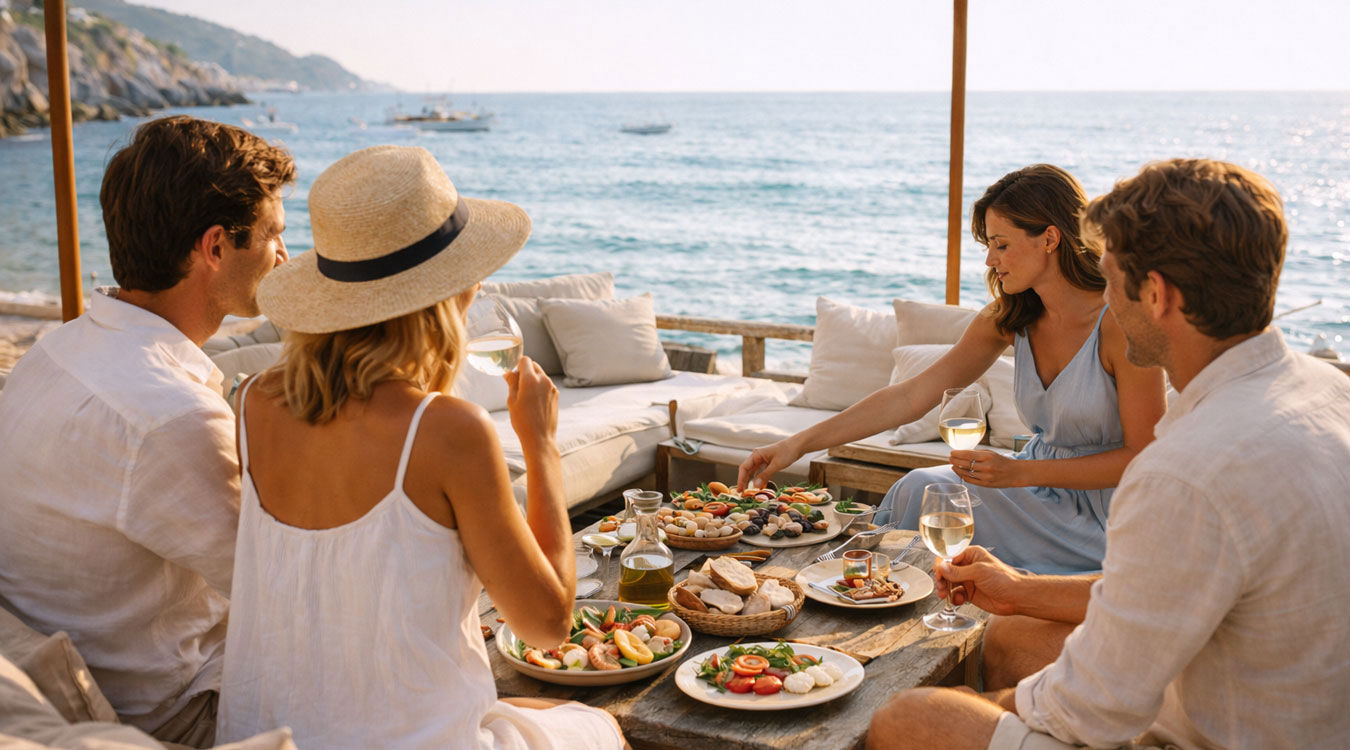
Among the most relevant trends, the concept of conscious luxury stands out: it is no longer synonymous with excess but with time dedicated to oneself, attention to detail and harmony with the surroundings. Resorts, iconic hotels, sophisticated beach clubs and excellent destinations are transformed into narrative spaces, where each element contributes to creating a coherent and recognisable experience.
Contemporary travellers no longer seek mere comfort but an authentic relationship with the place that welcomes them, a story they can identify with. In this context, the theme of longevity, of health and well-being has become a significant concept, namely as an extension of a balanced lifestyle. Wellness tourism is evolving: it is no longer a simple relaxing break but an investment in oneself.
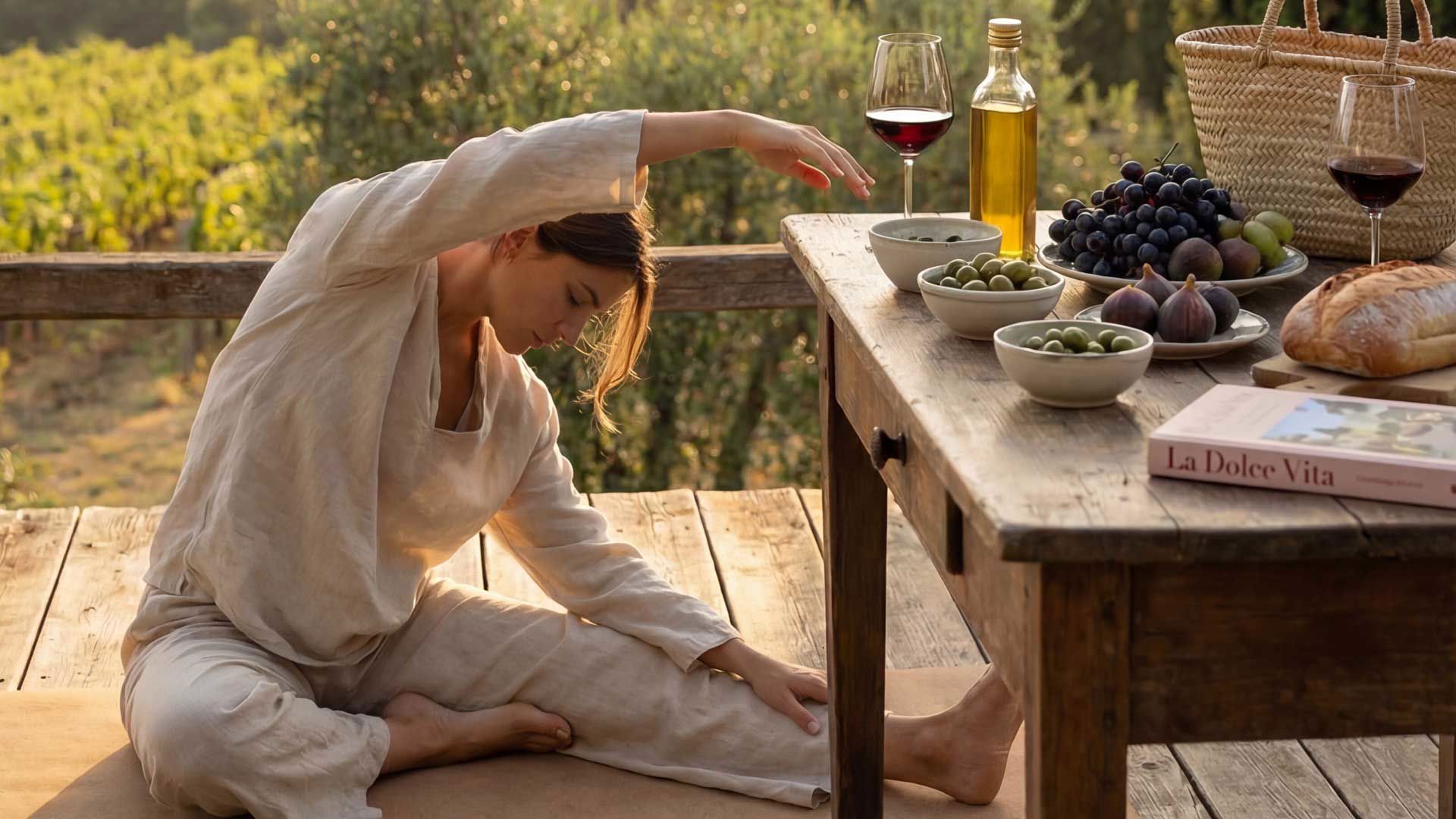
The journey thus becomes an opportunity to rediscover one's natural rhythm through conscious movement, contact with nature, regenerative practices and a diet that is truly nourishing. The body and mind move together through experiences that revitalise and guide us without obligations or rules.
FOOD & BEVERAGE AND BEACH CLUB: WHERE TASTE MEETS LIFESTYLE
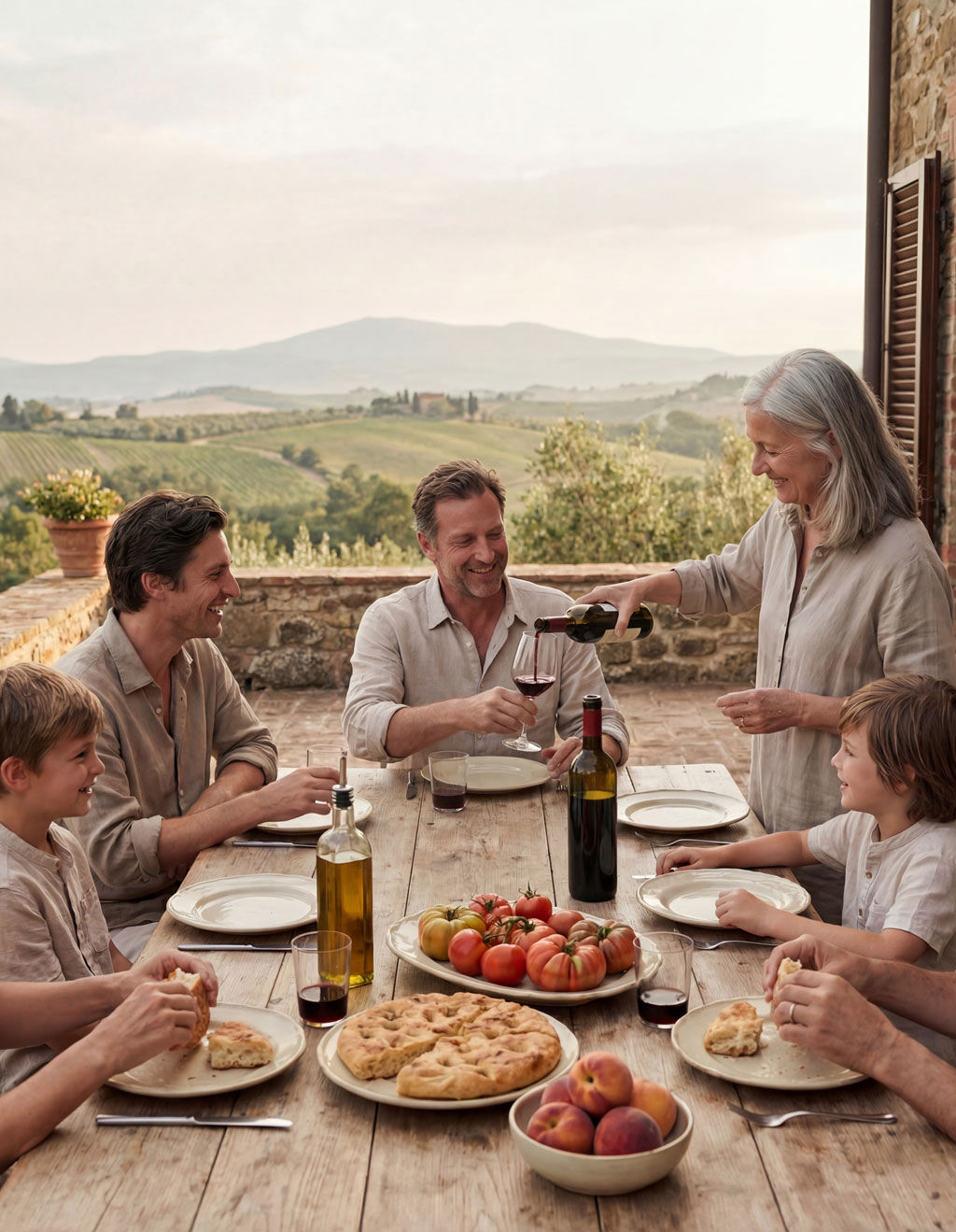
Another central trend in Italian tourism concerns the increasingly strategic role of the Food & Beverage segment. In Italy, food experiences are one of tourism's most powerful emotional vehicles because they communicate an area's identity in an immediate and profound way. Italian cuisine, recognised by UNESCO as an intangible cultural heritage, represents not only gastronomic excellence but a living expression of our culture, tradition and identity.
Zero-kilometre products, seasonality and a direct link with producers transform mealtimes into real storytelling experiences that are capable of trigging memories and emotions. From Michelin‑starred restaurants to informal seafront locations, from wine tastings among the vineyards to concept foods in resorts and beach clubs, value is found not just in the dish itself but in the experience that surrounds it.
In parallel, leisure spaces are also being redefined. Beach clubs, for example, are evolving from a place of entertainment to a lifestyle concept: where music, design, wellness and food interact to create fluid, multisensory experiences, during which movement sets the pace of the day and emotions follow the natural rhythm of the surroundings.
MADE IN ITALY: EXPERIENCES AS A FORM OF MOVEMENT
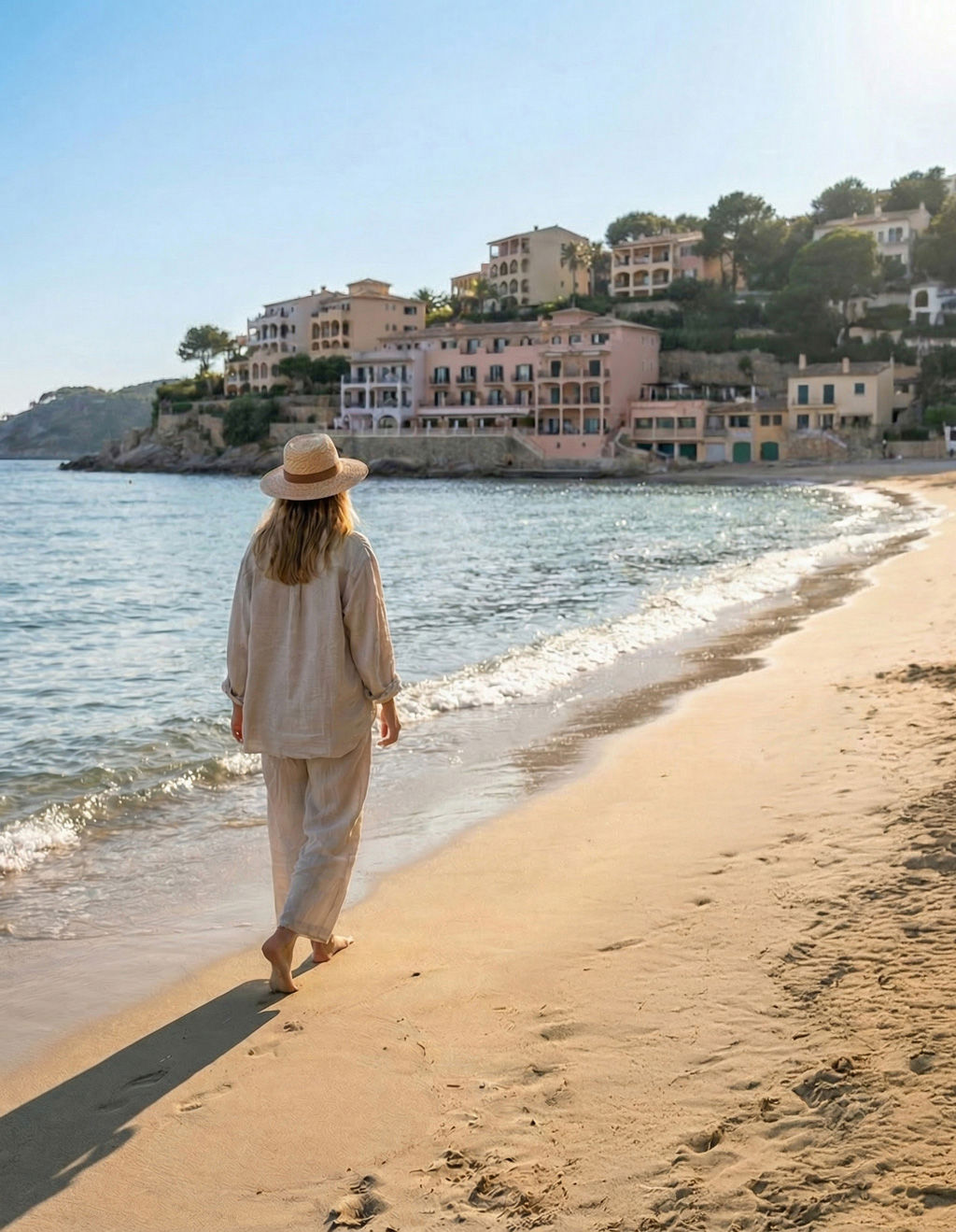
These trends converge in a new concept of travel, where experience becomes movement and movement generates emotions. Not as a slogan but as a concrete practice. An experience that takes shape step by step, gesture by gesture, taste by taste.
In this context, “Made in Italy” ceases to be a label and becomes a real, lived experience instead. It is our Country's unique ability to transform beauty, culture, food and well-being into authentic itineraries that can engage travellers in a deeply meaningful way. A heritage that, rather than being observed from afar, is actively engaged with, savoured and lived.
The tourism of the future – and to a large extent already of the present – lies here: in the form of experiences that create emotions, relationships and self-awareness. Journeys that don't just transport you to another place but mean that you return having learnt something new.